


Prevent risk before it compounds
Surface execution drift early so small scope gaps and dependency conflicts are resolved before they impact milestones or budgets.
Axiamatic detects execution drift early and routes clear next steps to the right owners, so your time stays focused on delivery, not status chasing.



TraditionalPMOtoolssummarizetasksandmilestones,surfacingriskonlyafteritshowsupinRAIDlogsormeetings.Weidentifyscopedriftanddependencygapsearly,assigningownersandrecommendedactionsbeforedelayscompound.

"
What's emerging as a problem that we're not tracking?
"
Which team is struggling but reporting green?
"
Where do I need to act now to avoid a delay later?
"
What execution gaps will surface in UAT?
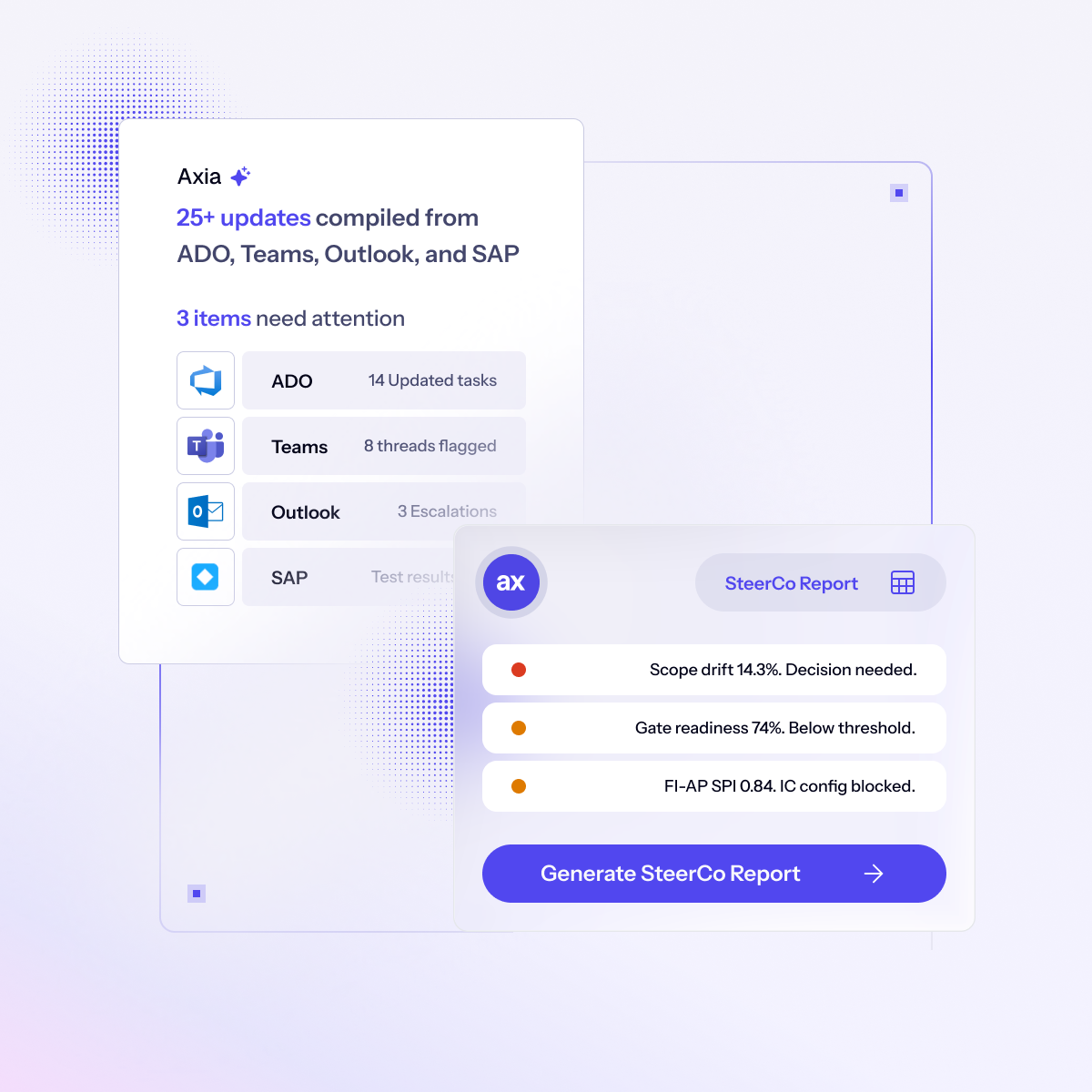
Generate standups, milestone summaries, and SteerCo-ready updates directly from program data, replacing manual status synthesis with queryable decision-ready insights.
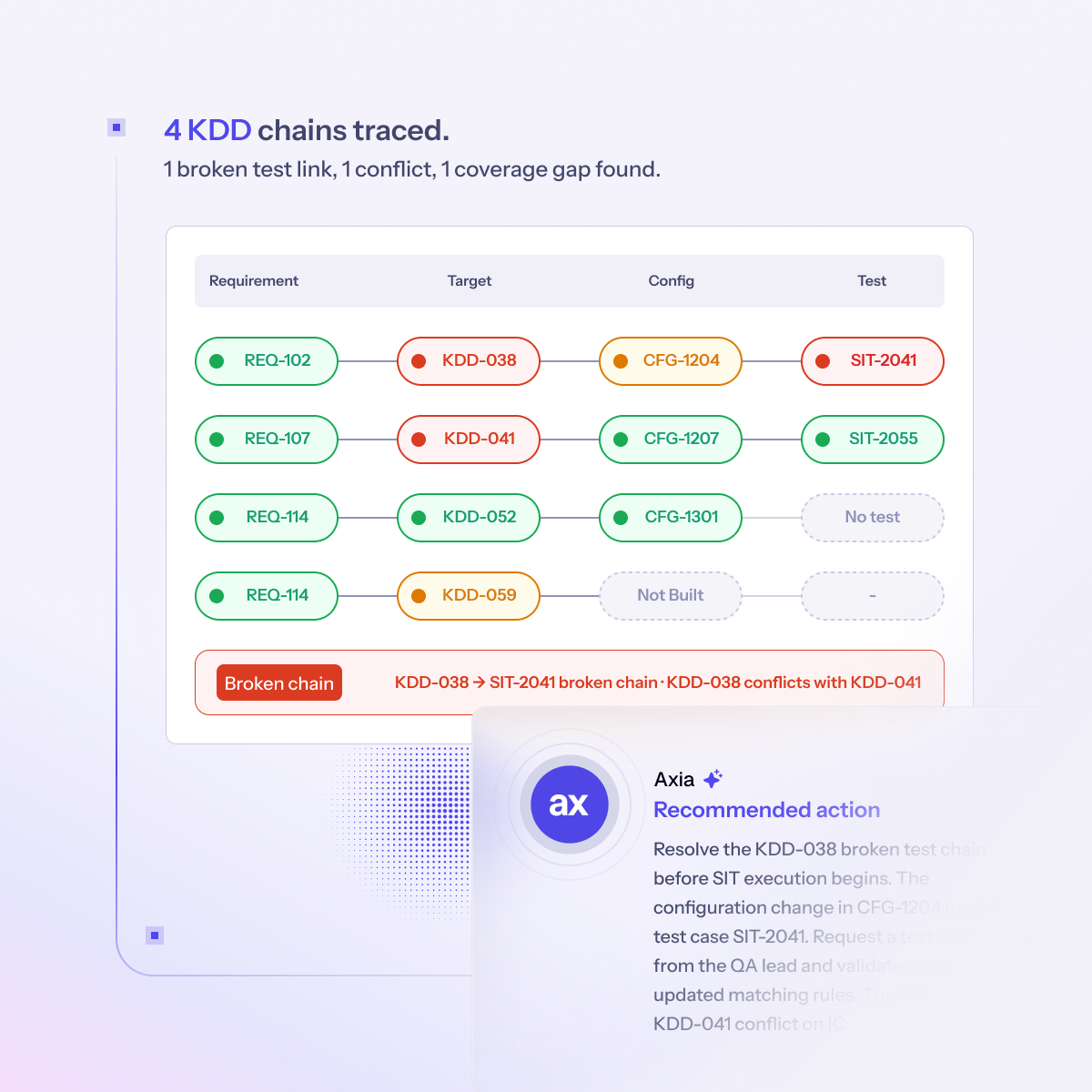
Trace key decisions from requirements through to test coverage to ensure any translation loss is detected and addressed early,
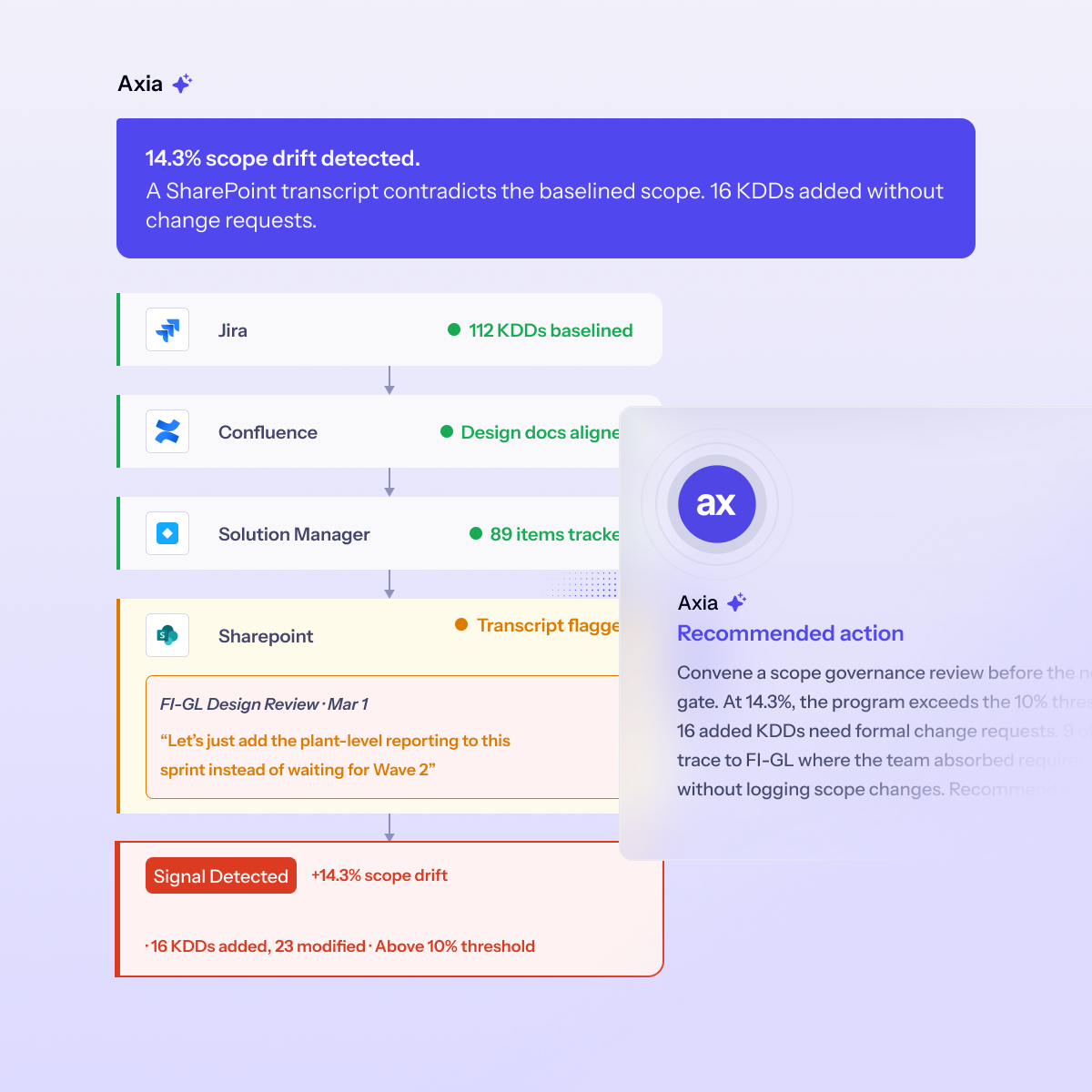
Cross-reference artifacts, transcripts, and configuration changes across all connected sources. Scope drift is identified and remedied the moment it begins.
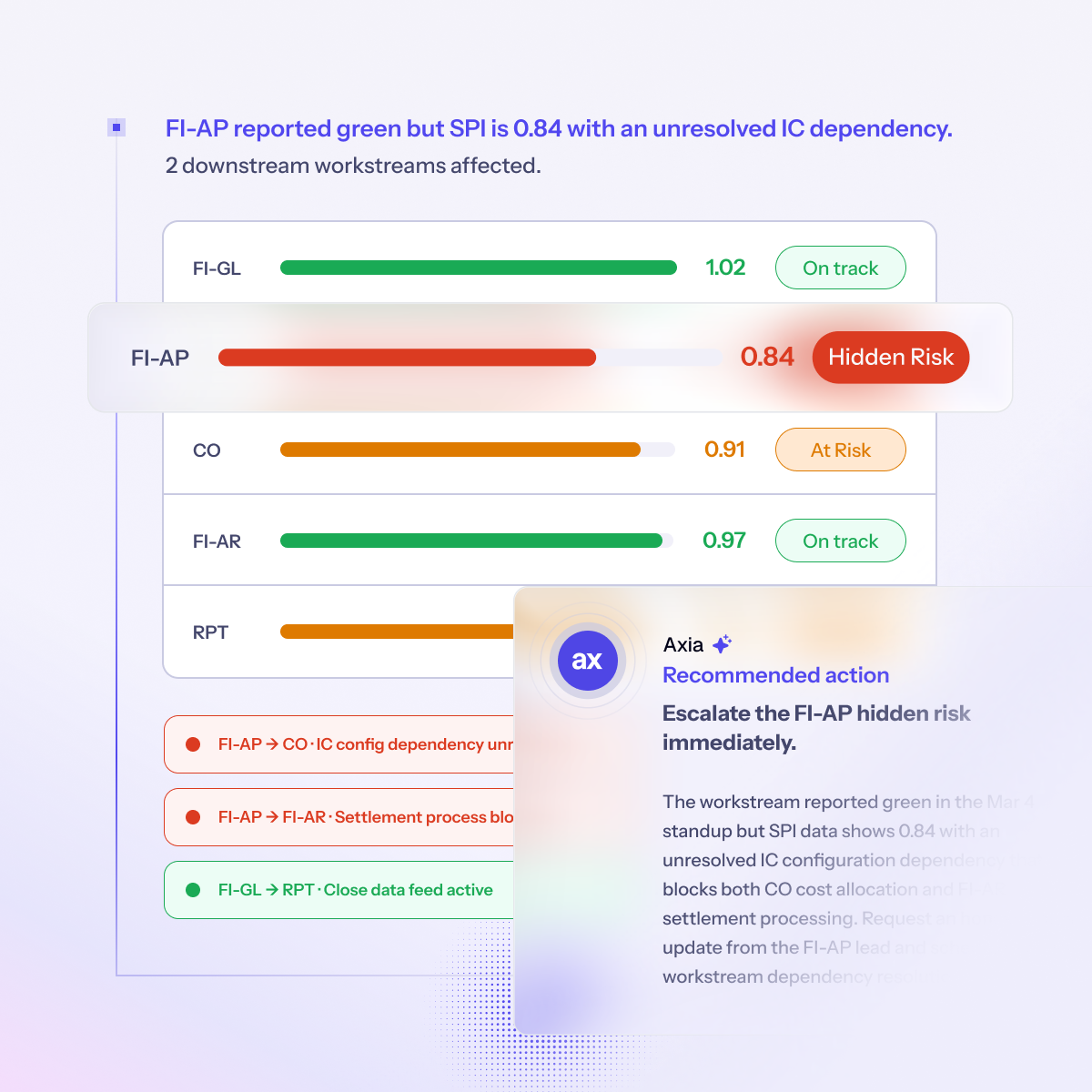
Map and monitor dependencies between workstreams. When one team's delay threatens another's timeline, the signal is immediate.
Generate standups, milestone summaries, and SteerCo-ready updates directly from program data, replacing manual status synthesis with queryable decision-ready insights.
Trace key decisions from requirements through to test coverage to ensure any translation loss is detected and addressed early,
Cross-reference artifacts, transcripts, and configuration changes across all connected sources. Scope drift is identified and remedied the moment it begins.
Map and monitor dependencies between workstreams. When one team's delay threatens another's timeline, the signal is immediate.
Surface execution drift early so small scope gaps and dependency conflicts are resolved before they impact milestones or budgets.
Route clear next steps to the right owners in real time, reducing coordination overhead and preventing recurring escalations.
Keep programs aligned to their original objectives, reducing rework and delay so business value is realized earlier and more consistently across waves.
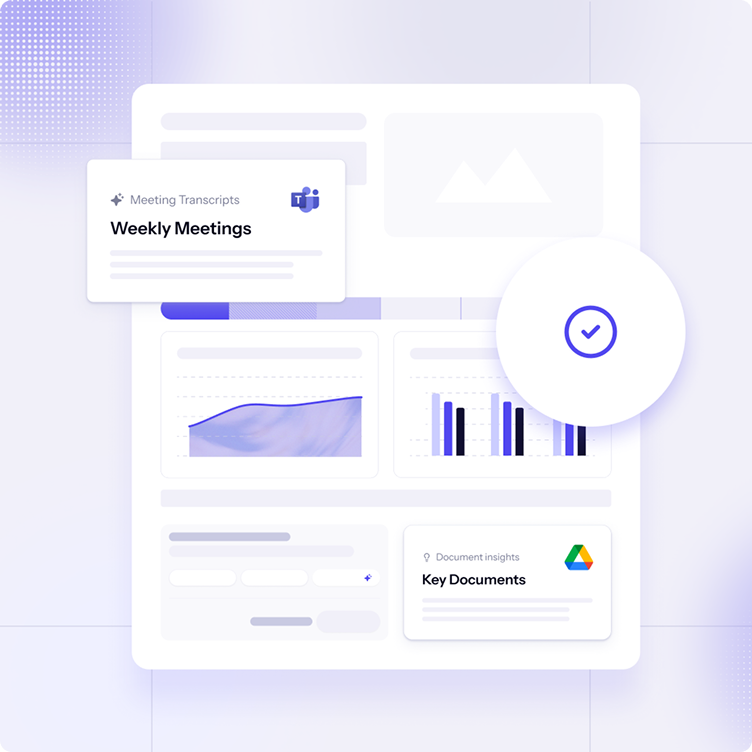
Walk through your program context, systems, and execution challenges together in a tailored live working session.
Evaluate your ERP modernization highlighting interdependencies, drift, and program readiness gaps.
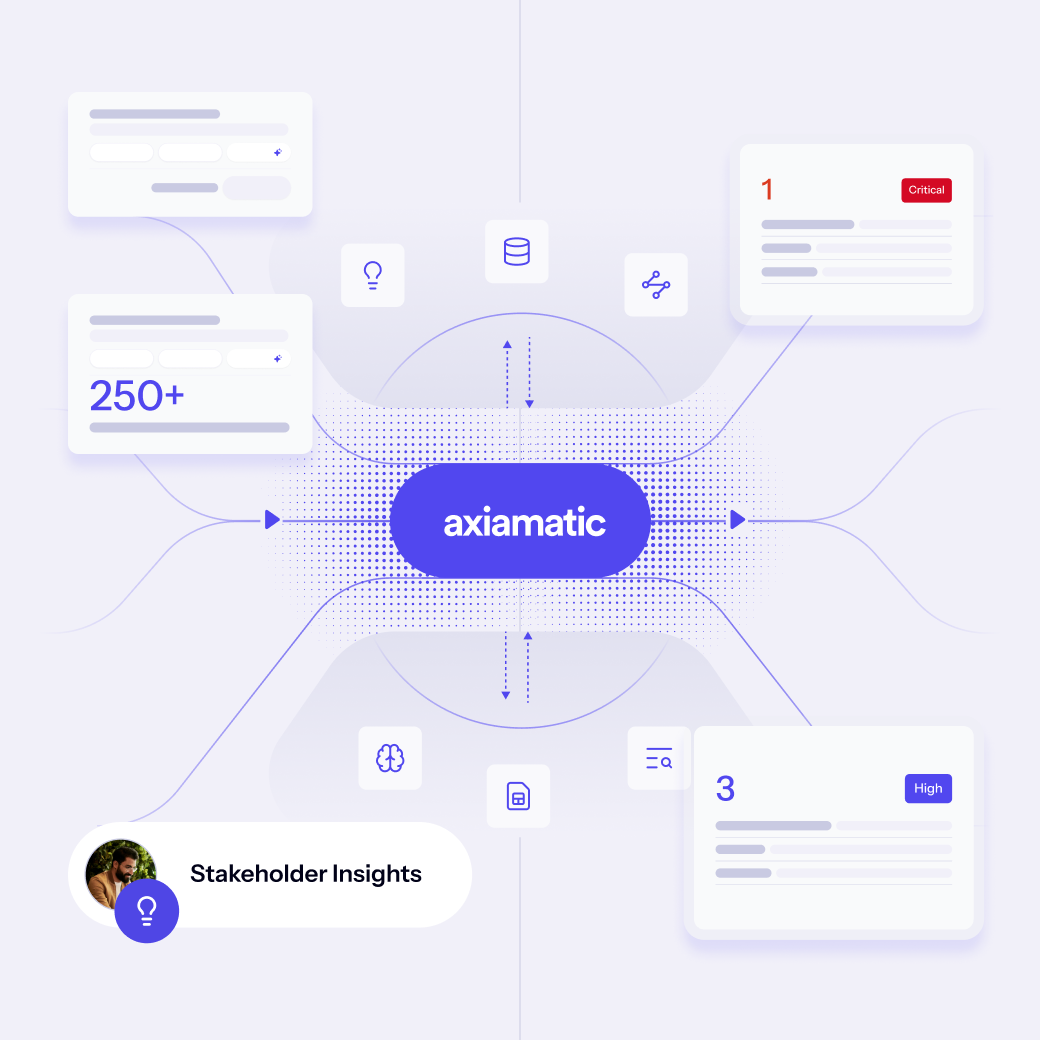
Build a Living Context Graph from existing artifacts to generate lessons and deeper analysis of a transformation.
Axiamatic connects directly to the systems your program already runs on including Jira, Azure DevOps, SharePoint, Teams, Slack, and other enterprise tools. There is no manual data entry and no new reporting process required from the team.
Most programs are live within two weeks. Onboarding requires access to a small set of core systems and existing program artifacts such as scope, roster, and methodology so Axiamatic can model execution accurately from day one.
During onboarding, Axiamatic is grounded in your program structure, reporting templates, escalation paths, and risk criteria. Outputs reflect how your PMO operates, so insights and playbooks align with existing governance rather than replacing it.
Work management tools track tasks and plans. They surface progress within a workstream. Axiamatic connects signals across workstreams, models how risks compound, and recommends next actions before delays appear in your dashboard. It augments your existing tools rather than replacing them.
AI program management uses AI to help teams monitor delivery, identify risks, track dependencies, and understand what needs attention across a program. It can also reduce manual work such as reporting and pulling together status updates.
AI reads the information a program already produces, such as project plans, tickets, documents, and meeting notes, and keeps it connected as work changes. This shows program teams where scope is shifting and where execution is falling short of the plan, based on what is actually happening rather than what was last reported.
Complex programs often involve many workstreams, several system integration partners, and teams in different locations, each tracking work in its own way. AI can bring this information into one consistent view, so the PMO can compare progress across workstreams and partners on equal terms. That leaves more of the PMO's time for the decisions that keep the program on track.
Yes. AI can look for changes in scope, dependencies, decisions, and execution that indicate a problem is developing, giving teams more time to address it before it affects milestones or budgets.
Yes. AI can connect information across workstreams and identify where a delay, decision, or change in one area could affect another part of the program.